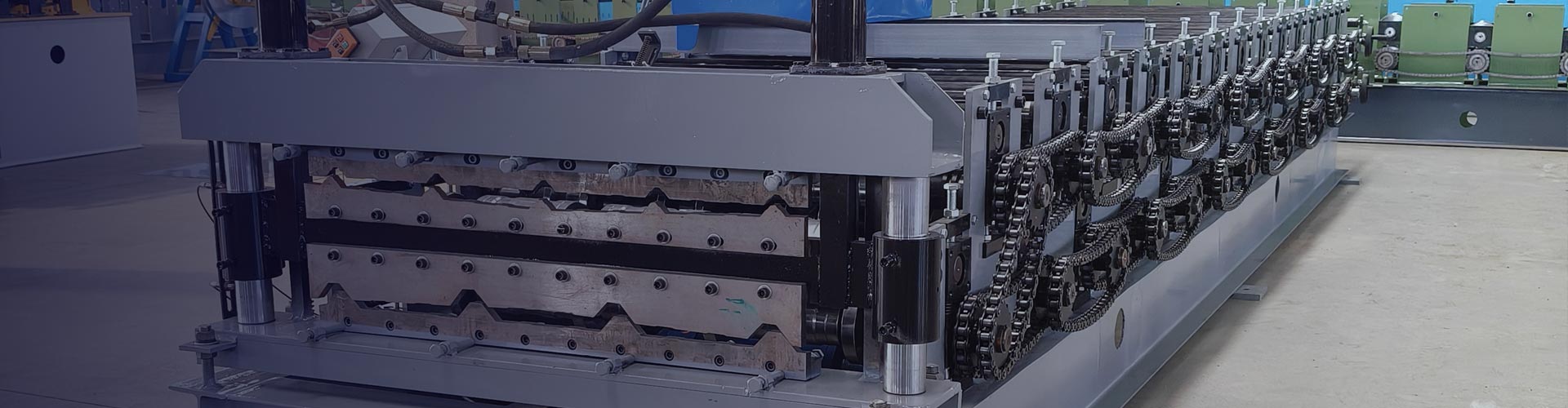
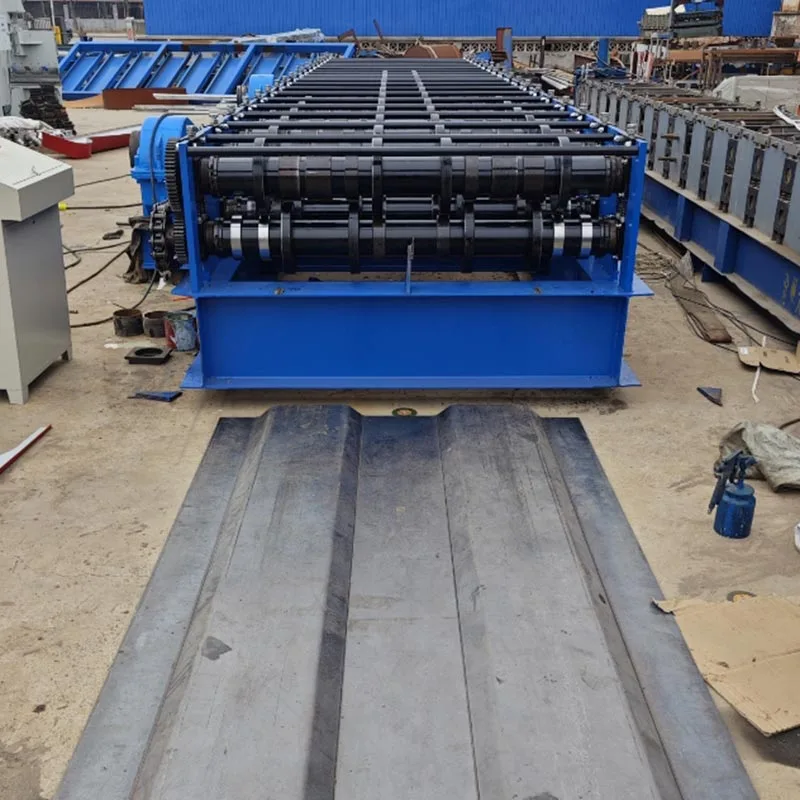
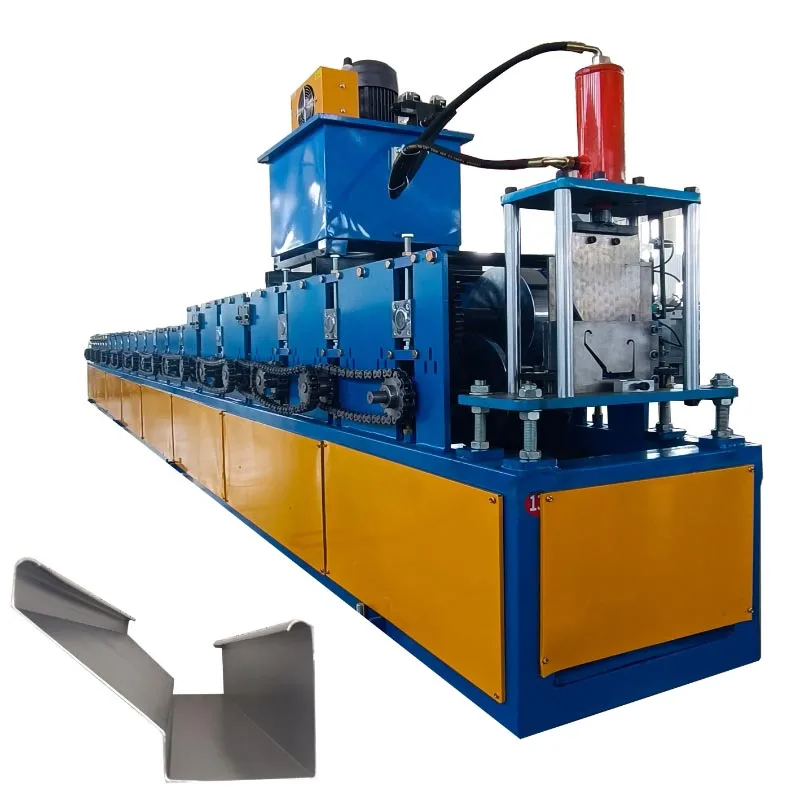
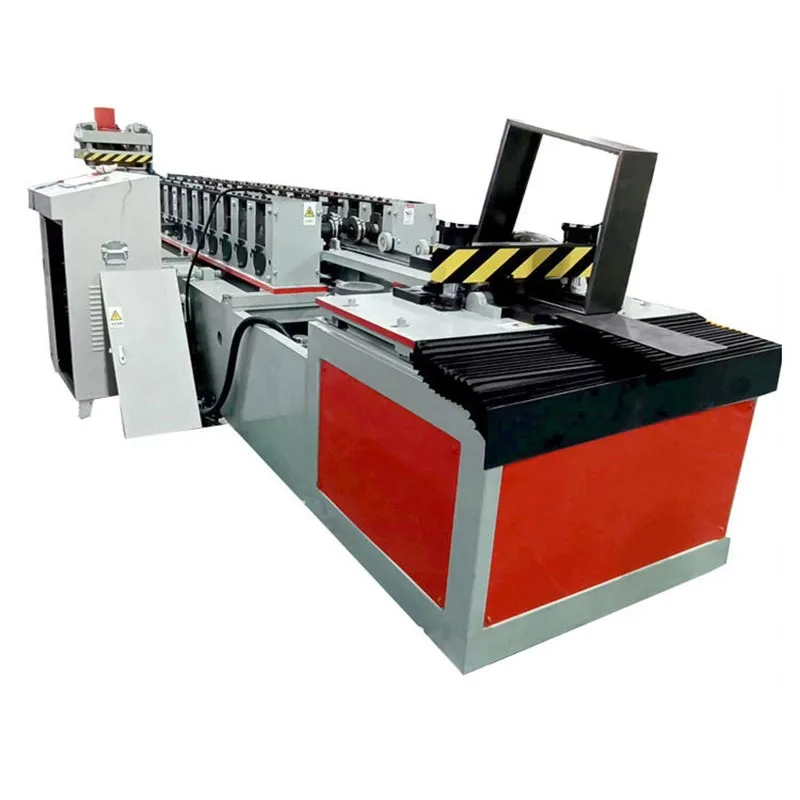
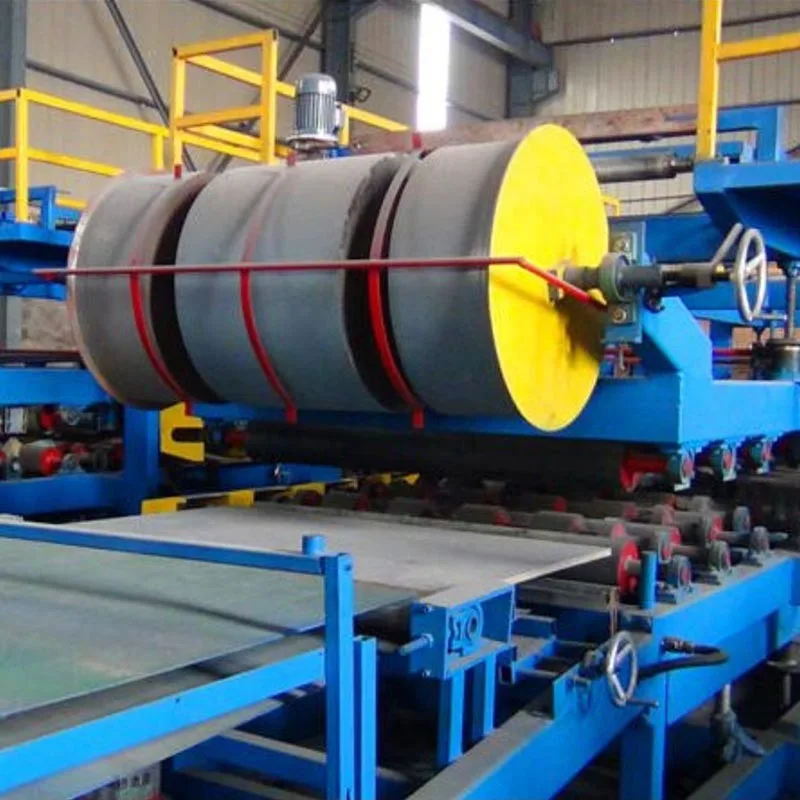
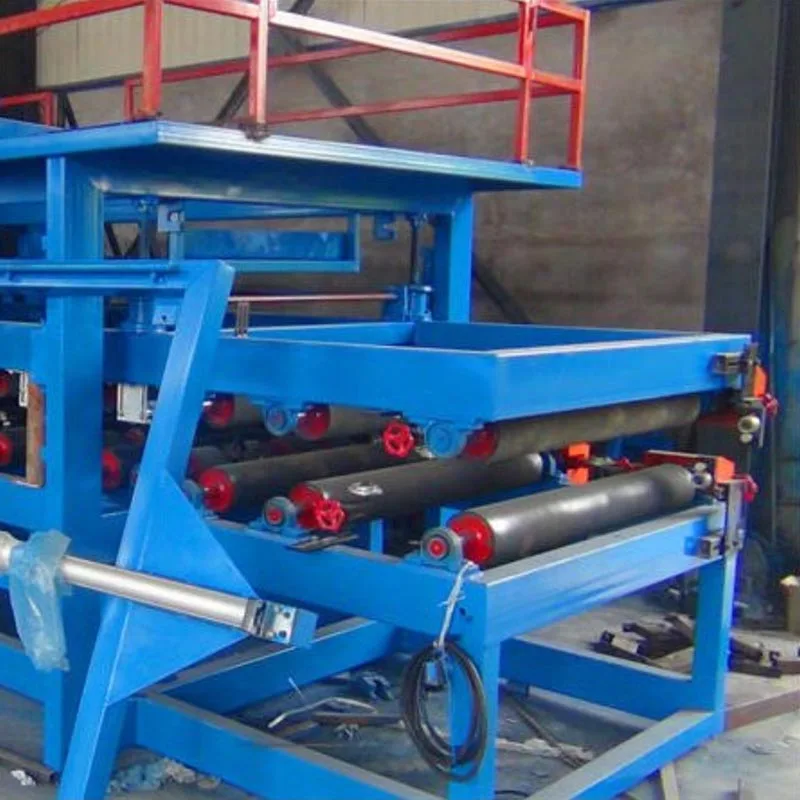
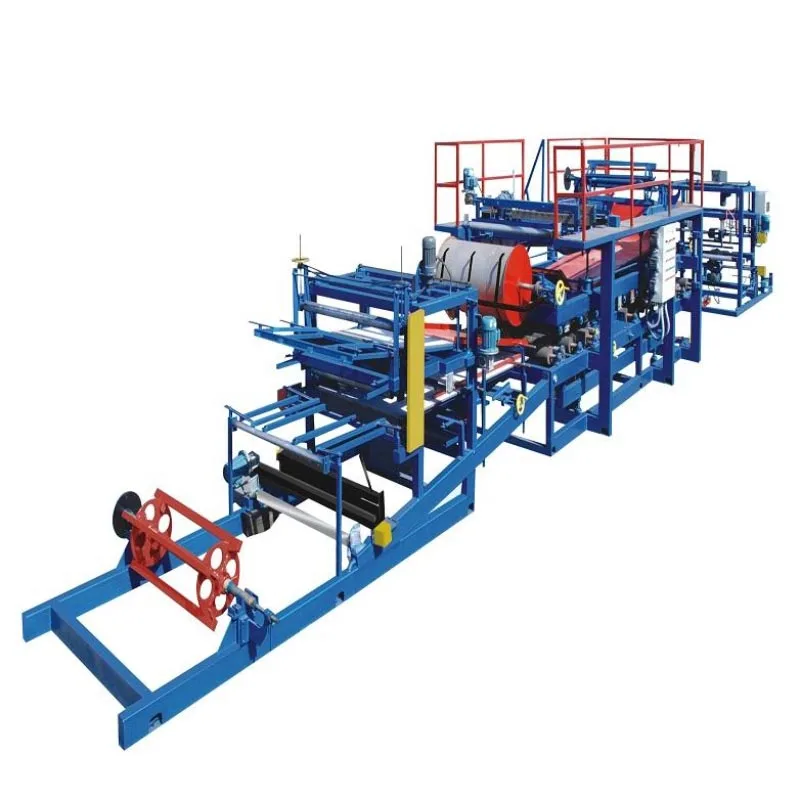
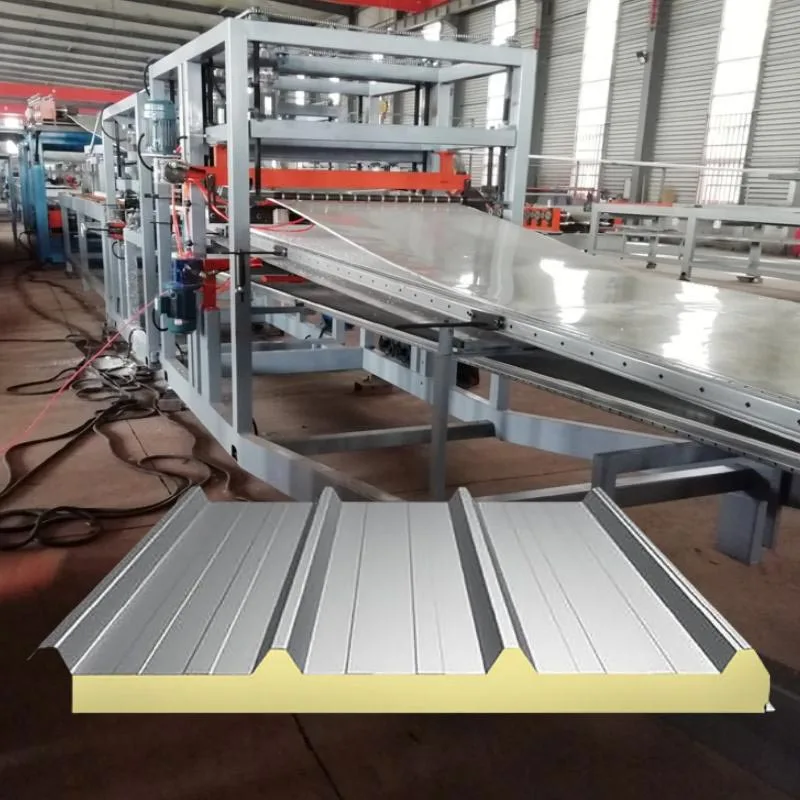
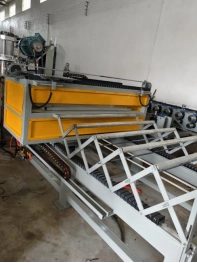
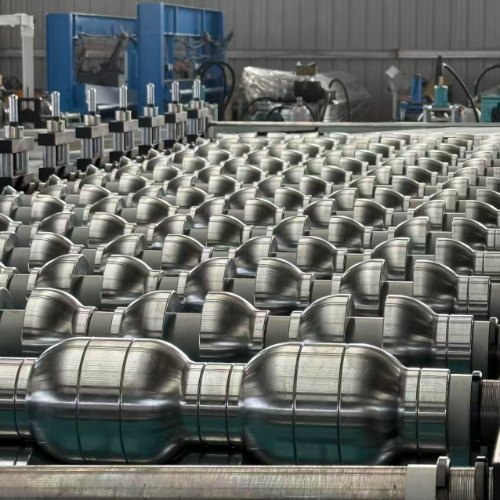
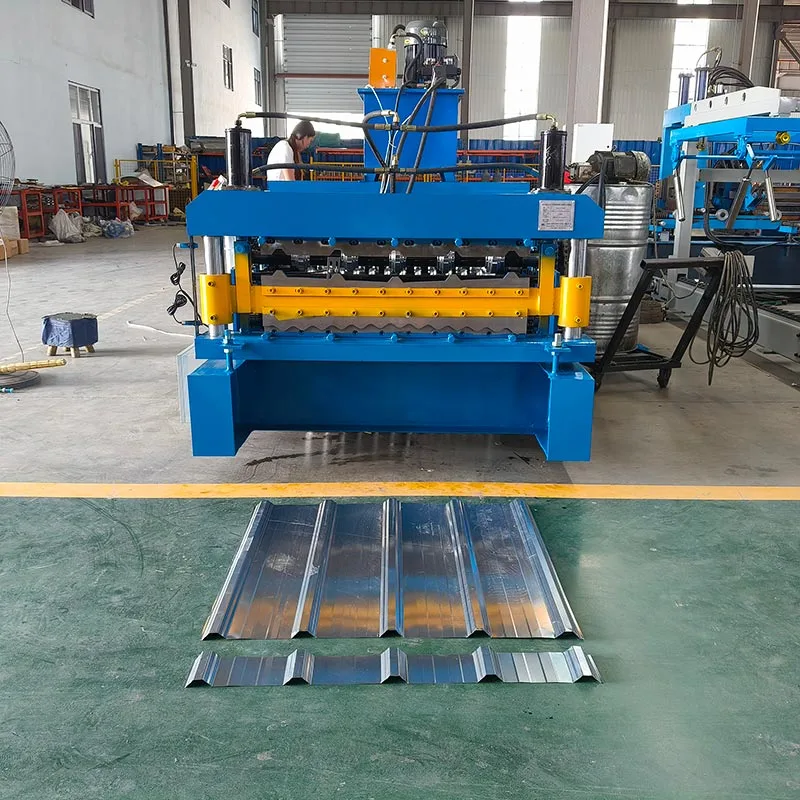
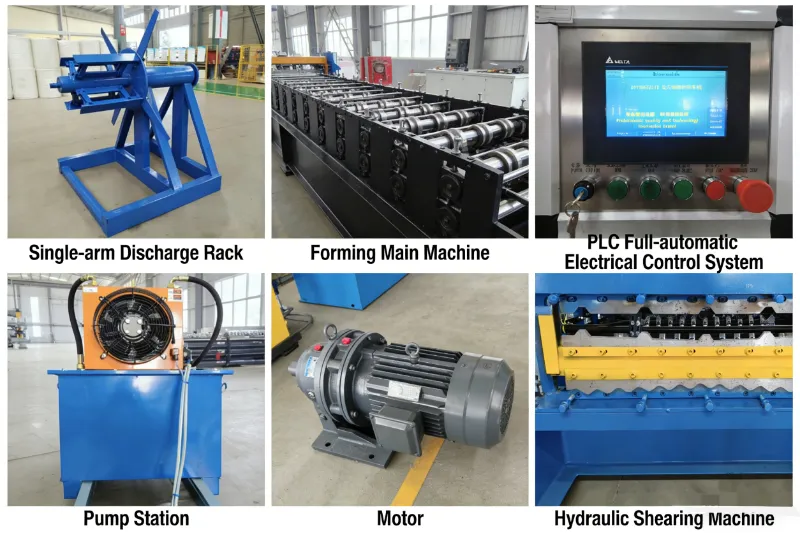
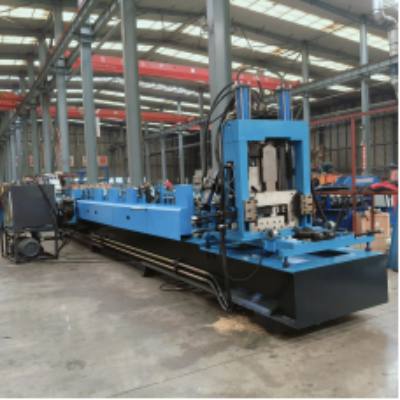
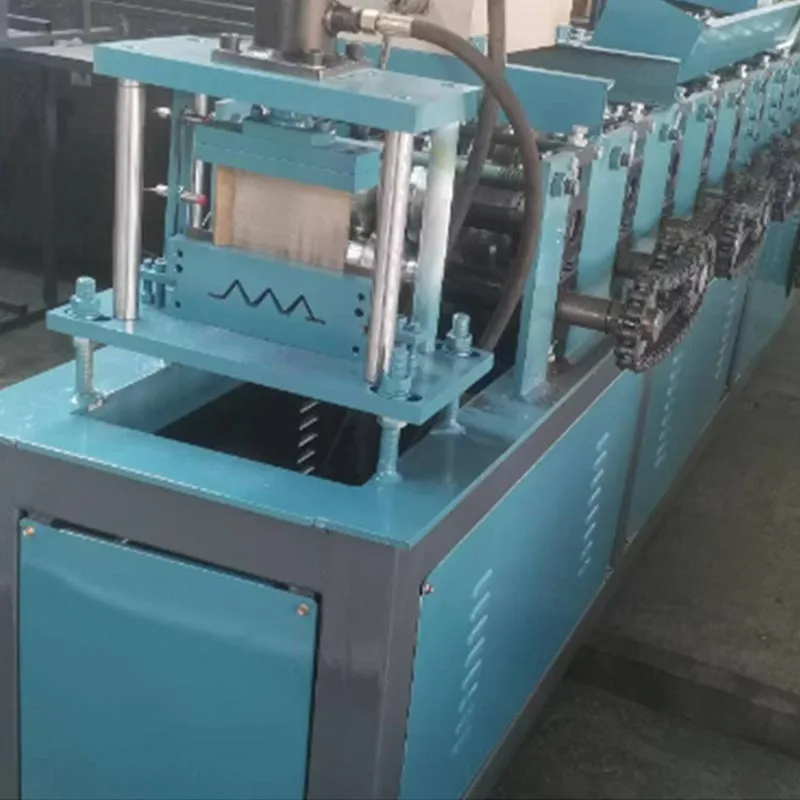
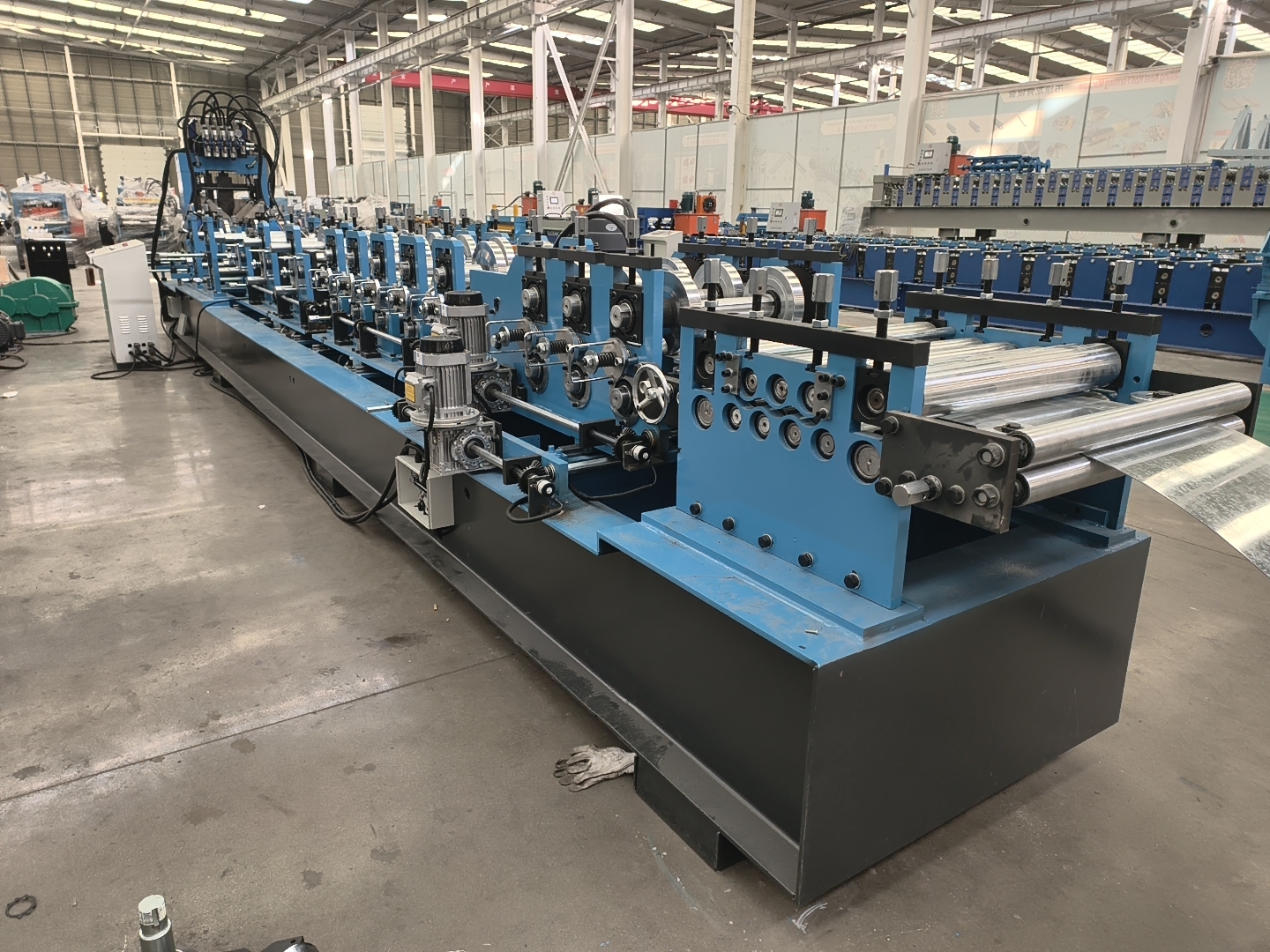
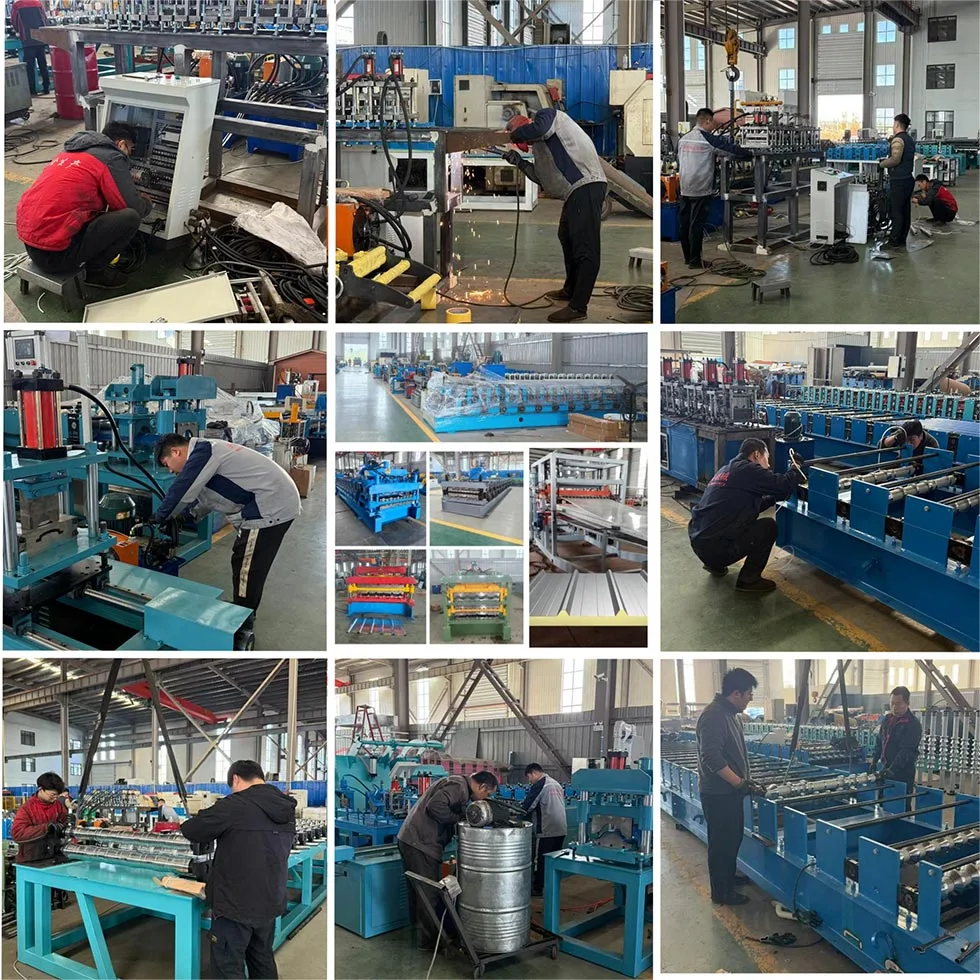
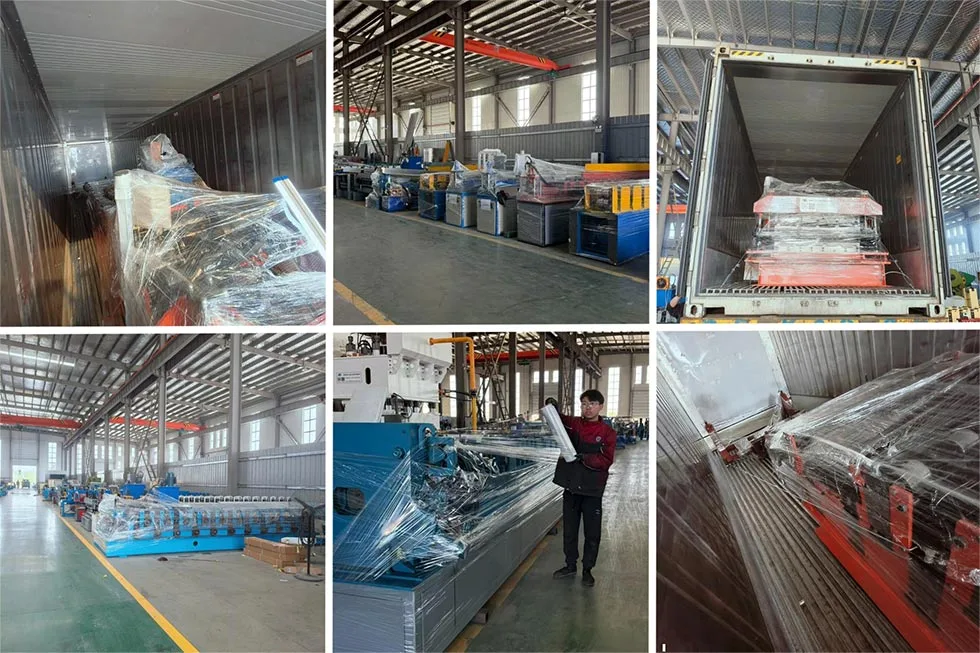
An EPS Sandwich Panel Machine is a highly automated production line. It manufactures composite sandwich panels. These panels are also called EPS panels. The name "EPS" stands for the core materials used: Expanded Polystyrene (EPS), Styrofoam, or Polyurethane (PUR).
The machine automates the entire process. It creates a continuous, strong, and insulated panel. The final product has a
solid outer skin and a lightweight foam core. This machine is essential in modern construction and cold storage
industries. It produces high-quality, consistent panels with great efficiency.
Detailed Description of the Machine and Process
An EPS Sandwich Panel Machine is a complex system. It consists of several synchronized stations. Each station
performs a specific task. The process is continuous. It transforms raw materials into a finished panel in one
seamless operation.
Here is a step-by-step breakdown of the workflow:
Uncoiling and Feeding
The process starts with coils of metal. These are the outer skins of the panel. Common materials are galvanized
steel, aluminum, or color-coated steel. The machine has decoilers. They hold the large metal coils. The metal sheet
is fed into the machine. It passes through a levelling device. This device ensures the metal is perfectly flat and
smooth before production.
Pre-Heating
The metal sheets then move into a pre-heating zone. Here, heaters warm the surface of the metal. Pre-heating is
important. It improves the bonding strength between the metal skin and the foam core. A warm surface helps the
chemical reaction and adhesion.
Foam Core Mixing and Pouring
This is the heart of the machine. For polyurethane (PUR) panels, two liquid chemical components are used. These are
polyol and isocyanate. They are stored in separate tanks.
The machine pumps these liquids to a mixing head. The components are mixed at high pressure. They are then poured
evenly onto the bottom metal sheet. The chemical mixture is liquid at this stage. It begins to react and expand
almost immediately.
For EPS panels, the process is slightly different. Pre-expanded EPS beads are used. They are fed into the panel
cavity. Heat and pressure fuse them together.
Lamination and Pressing
The top metal sheet is now precisely laid over the liquid foam. The entire "sandwich" enters a double-band
laminating section. This section has two main parts.
First, the forming zone. Here, the side edges of the metal sheets are shaped. They are rolled into interlocking
profiles. These profiles are crucial. They allow panels to connect tightly on a building site.
Second, the main press section. This is a long, heated platen. It applies controlled pressure and heat to the moving
panel. This process does several things. It controls the thickness of the panel. It ensures the foam expands and
cures uniformly. It creates a perfect, permanent bond between the foam core and the metal skins.
Curing and Cutting
After pressing, the panel is mostly solid. But the chemical curing reaction continues. The panel moves along a long
conveyor. This allows it to fully harden and reach its maximum strength.
Once cured, the continuous panel is cut to length. The EPS Sandwich Panel Machine uses an automatic flying saw. This saw moves at the
same speed as the panel. It makes a clean, square cut. The process does not stop. This ensures a very efficient
production cycle.
Output and Stacking
The finished, cut-to-size panel exits the machine. An automatic stacking system collects the panels. It neatly piles
them onto a pallet or a table. This minimizes manual handling. It prevents damage to the painted or coated surface.
What are the advantages of this product?
The utilization of this advanced EPS Sandwich Panel Machine provides significant advantages for manufacturing operations.
Superior Product Quality: The machine ensures perfect consistency. Each panel boasts uniform thickness, density, and
flatness, ensuring a strong and flawless bond between the core and skin.This results in a high-performance product.
High Production Efficiency: The process is fully continuous and automated. It can run 24 hours a day. Production
speeds are very high. A single line can produce hundreds of square meters of panels per shift. This meets the
demands of large projects.
Material Efficiency and Low Waste: The machine precisely controls the amount of foam used. There is very little
over-pouring or spillage. This optimizes raw material consumption. It reduces production costs and waste.
Design Flexibility: The machine is highly adaptable. Operators can easily change parameters. They can produce panels
of different thicknesses, widths, and lengths. Different metal coatings and colors can be used. Different core
materials (PUR, PIR, EPS, Mineral Wool) can be processed with some adjustments.
Excellent Thermal Insulation: The panels feature exceptional thermal resistance, significantly reducing energy
transfer.properties. The closed-cell foam core acts as a powerful barrier against heat flow. This makes the panels
ideal for energy-efficient buildings and cold storage.
Labor Savings: The automation level is very high. Just one operator runs the entire line—a streamlined approach that
delivers the dual benefit of lower labor costs and reduced human error.
Strength and Durability:The finished panels combine exceptional strength with a low weight.They have a high
strength-to-weight ratio. They are resistant to impact, weathering, and corrosion.
Common Applications and Use Scenarios
These panels showcase their versatility in critical temperature-sensitive environments like refrigerated warehouses,
cold rooms, and food processing plants. Their exceptional thermal insulation is essential here, guaranteeing the
temperature stability and operational efficiency these facilities demand.
Industrial and Commercial Buildings: The panels are used for walls and roofs of factories, workshops, and logistics
centers. They offer quick construction and good insulation.
Clean Rooms and Pharmaceutical Facilities: These environments require strict hygiene and temperature control. The
panels have smooth, seamless surfaces. They are easy to clean and maintain.
Agricultural Buildings: Used for barns, stables, and storage sheds. The panels provide a clean, insulated
environment for animals and equipment.
Office Partitions and Internal Walls: As an all-in-one solution for internal partitions, they combine the practical
need for spatial division with the added value of comfort. This creates defined spaces that are not only functional
but also quieter and more pleasant.
Residential Construction:They represent a perfect fit for modern, prefabricated homes, delivering the dual
advantages of rapid assembly and superior long-term energy efficiency.
The EPS Sandwich Panel Machine is a cornerstone of modern industrial construction and a marvel of engineering. It
efficiently transforms simple raw materials into sophisticated, high-performance building components. This reliable and
precise process results in panels renowned for their exceptional insulation, structural strength, and remarkable
versatility. They are the preferred choice for energy-efficient, durable, and quickly constructed buildings worldwide.
Investing in this technology allows manufacturers to stay competitive. It meets the growing global demand for
sustainable and high-quality building solutions.
রোল ফর্মিং মেশিন, স্যান্ডউইচ প্যানেল মেশিন, রোল ফর্মিং মেশিন আনুষাঙ্গিকগুলির জন্য মূল্য এবং প্রকল্পের তথ্য পেতে পারফুকে একটি তদন্ত পাঠান। আমরা 24 ঘন্টার মধ্যে একটি প্রতিক্রিয়া গ্যারান্টি.
আমরা আপনাকে একটি ভাল ব্রাউজিং অভিজ্ঞতা দিতে, সাইটের ট্র্যাফিক বিশ্লেষণ করতে এবং সামগ্রী ব্যক্তিগতকৃত করতে কুকিজ ব্যবহার করি। এই সাইটটি ব্যবহার করে, আপনি আমাদের কুকিজ ব্যবহারে সম্মত হন।গোপনীয়তা নীতি